Why is sampling still an essential strategy in street marketing?
In the age of digital technology and virtual communication, product sampling in street marketing remains as powerful as ever. Offering a product and letting people try it is much more than just handing it out. It creates a direct, tangible, and memorable connection with the consumer—a fundamental approach to turning a curious passerby into a loyal customer.
Rebuilding the physical connection between the brand and the consumer
In a world where online interactions dominate, product sampling helps reestablish the essential physical connection between a brand and its audience. This direct interaction humanizes the brand, makes it more approachable, and fosters a stronger emotional connection than a simple advertisement.
Provide an initial hands-on experience with the product
Nothing beats the hands-on experience of a product when it comes to winning people over. Product sampling offers consumers this unique opportunity to test, touch, smell, and taste—to truly interact with the product. This positive first experience is a powerful driver of conversion.
What is sampling in marketing?
Definition
In marketing, sampling involves distributing free miniature versions or samples of a product to potential consumers. This technique aims to generate interest, encourage people to try the product, and ultimately drive sales of the full-size product.
Key objectives: brand awareness, product testing, engagement
The objectives of sampling are manifold:
- Increase brand awareness by reaching a wide audience in high-traffic locations.
- Encourage product testing by addressing the barriers associated with purchasing an unfamiliar product.
- Build engagement by creating a positive and memorable interaction with the brand.
- Gather direct feedback from consumers about the product.
- Boost sales by encouraging immediate or future purchases.
Difference between street sampling, in-store sampling, and influencer sampling
Sampling can take various forms:
- Street sampling: Direct distribution to passersby in public places (streets, events, public transportation). Offers broad reach and spontaneous interaction.
- In-store sampling: Distributing samples to customers at retail locations. This allows companies to target consumers who are already interested in a particular type of product.
- Influencer sampling: Sending samples to influencers so they can test and showcase the product to their audience. Leverages the credibility and reach of influencers.
Sampling as a Tool for Street Marketing
Impact on the ground: streets, festivals, events, shopping districts
Street marketing provides a fertile ground for product sampling. Busy streets, festivals, cultural events, and high-traffic shopping areas are ideal places to reach a diverse and receptive audience.
A direct and spontaneous relationship with the consumer
Street sampling allows for direct and spontaneous human interaction. Field teams can showcase the product, answer questions, and build a personal connection with consumers, thereby enhancing the impact of the experience.
Converting Prospects into Customers Through the Product Experience
The ultimate goal of in-store sampling is to turn a passerby into a customer. By offering them a positive, hands-on experience with the product, we break down barriers to purchase and significantly increase the chances of conversion.
What types of products are suitable for sampling?
Sampling: Cosmetics, food, beverages, hygiene, technology, etc.
Many types of products are well-suited for sampling:
- Cosmetics and perfumes: Allow you to test the texture, scent, and effectiveness.
- Food and Beverage: Offer a sample and encourage customers to buy the full-size product.
- Personal care products: Introduce customers to new brands and experiences.
- Technology products: Trial versions or limited features can generate interest.
Products for quick use or immediate results
Products that take effect or are used quickly are particularly effective for sampling. A delicious taste, a refreshing sensation, or a pleasant texture can win people over in just a few moments.
Different sampling formats
Manual distribution (street team, brand ambassador)
Dedicated teams, often made up of brand ambassadors, hand out samples directly to passersby, offering a brief introduction and personalized interaction.
Event sampling (trade shows, concerts, shopping malls)
Setting up booths or dedicated areas at events to distribute samples to a targeted audience that is often more receptive in a casual, leisure-oriented setting.
Connected samples (QR codes, digital coupons)
Integrating digital elements into the physical sample (such as a QR code linking to a special offer, a contest, or product information) to bridge the gap between the physical and digital worlds and facilitate conversion.
The Importance of Experience in Sampling
Planning the event layout: booth, activities, interactions
The way the product is presented is crucial. An eye-catching booth, creative activities, and engaging interactions with the on-site team enhance the impact of the experience.
Product storytelling and brand messaging
Accompanying the distribution of the sample with a compelling story about the product and the brand’s values helps create an emotional connection and makes the experience more memorable.
Collecting immediate feedback or opinions
Take advantage of the interaction to gather immediate feedback and impressions about the product. This not only provides valuable insights but also shows that the consumer’s opinion matters.
From the Street to CRM: How to Turn a Tester into a Customer?
Data collection (email, social media, phone)
Encouraging people who have received a sample to provide their contact information (through a contest, an exclusive offer in exchange for an email address, or by following you on social media) helps build a database of qualified leads.
Instant discount (discount, promo code, contest)
Offering an immediate incentive to buy (a discount on the next purchase, a promo code valid online or in-store, or entry into a drawing) can turn a potential sale into an actual purchase.
Post-sampling retargeting strategies
Use the collected data to launch targeted retargeting campaigns (personalized emails, social media ads) to remind customers of their positive experience with the sample and encourage them to purchase the full-size product.
Examples of successful sampling campaigns
Food, beauty, energy drinks, and personal care brands
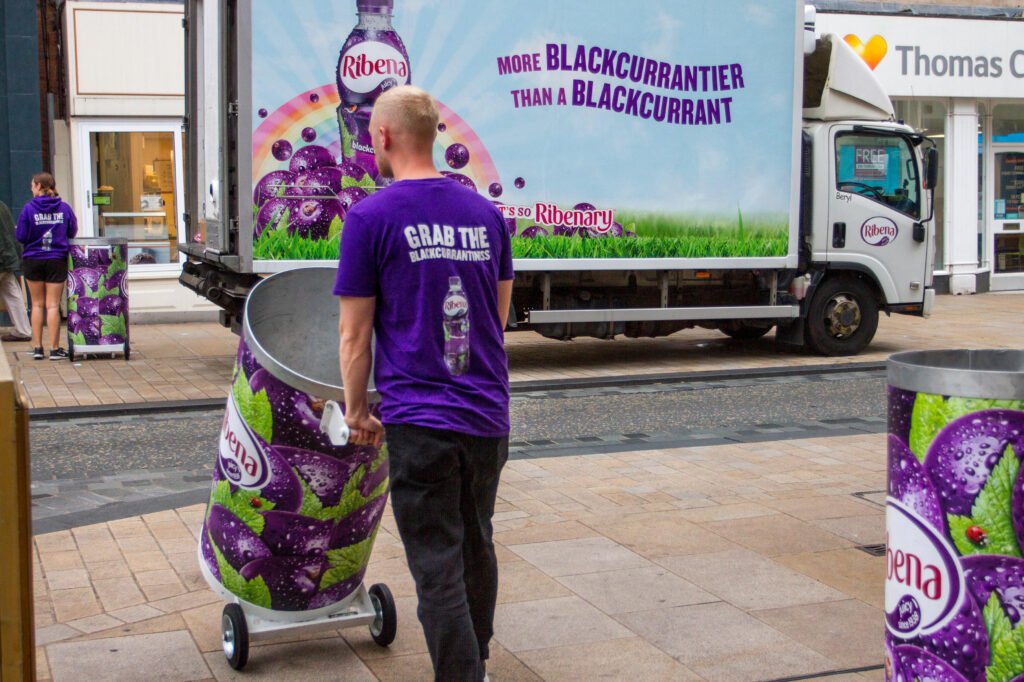
Many brands have successfully used product sampling. Food brands offer mini-tastings in supermarkets; beauty brands hand out samples of creams or perfumes on the street; energy drink brands target athletes at events; and personal care brands offer trial sizes.
Creativity, personalization, and a memorable experience
The most successful sampling campaigns are often those that focus on creativity, personalization, and a compelling experience. A uniquely presented sample, a memorable interaction with field staff, or a surprising brand activation can leave a lasting impression.
Best Practices for an Effective Product Sampling Campaign
Choosing the right venue, the right time, and the right audience
Identify the places and times when your target audience is most likely to be present and receptive to your offer.
Brief the field teams
Ensure that sales teams are fully informed about the product, the brand message, and the campaign objectives. Their attitude and the way they communicate are essential.
Comply with health and legal standards
Ensure strict compliance with hygiene standards and local regulations regarding the distribution of samples in public spaces.
Conclusion: Sampling—a simple yet powerful tool for building genuine connections with your future customers
In the complex landscape of modern marketing, street sampling remains a strategy of formidable simplicity and effectiveness. By offering a tangible product experience and creating direct human contact, it transforms passersby into actual customers, thereby building a lasting relationship and fostering brand growth. Far from being outdated, sampling is a wise investment for any brand seeking to create a genuine and memorable connection with its future customers.